


(1)-720x400.jpg)

For scrap yards and metal recycling businesses, choosing a reliable metal baler is about more than the initial purchase price. Maintenance issues, material compatibility, and equipment availability can all influence a purchasing decision.
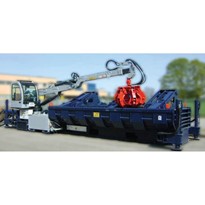
A scrap recycling company in Chihuahua, Mexico, experienced recurring oil leaks with a previously purchased used baler. To address its equipment needs, the company selected the ENERPAT AMB-H1075-100 metal baler, which has since been delivered to the customer.
1. Why the Recycler Decided to Replace Its Used Metal Baler
The customer operates in the scrap recycling industry in Chihuahua, Mexico. Its previous used baler developed oil leaks in multiple areas, prompting the company to consider purchasing new equipment.
Hydraulic oil leaks can be associated with worn seals, damaged hoses, loose fittings, or other hydraulic system issues. Without proper inspection, however, the exact cause cannot be determined.
For recycling businesses that depend on metal processing equipment, recurring maintenance problems are an important consideration when evaluating whether to repair an existing machine or invest in a replacement.
In this case, the customer's experience with its used baler led it to explore a new metal baler solution.
2. Choosing an Aluminum Baler for Scrap Yards
The customer needed an aluminum baler for an application involving several types of scrap materials:
Aluminum cans
Sheared aluminum profiles
Aluminum turnings and chips
Other sheared scrap metals
These materials differ in shape, bulk density, and feeding characteristics. Aluminum cans are lightweight and bulky, while sheared profiles and aluminum turnings have different handling requirements.
When selecting an aluminum baler for scrap yards, operators should consider the material mix, feed dimensions, expected processing volume, and required bale specifications. Providing photographs or representative material samples can help a supplier evaluate the application and recommend a suitable configuration.
3. ENERPAT AMB-H1075-100 Metal Baler Delivered to Mexico
The recycler selected the ENERPAT AMB-H1075-100 metal baler for its scrap metal processing application. The machine has been delivered to the customer in Chihuahua, Mexico.
Equipment availability was one of the key factors in the purchasing decision. For recycling businesses replacing an existing machine, a suitable unit available from inventory may offer a shorter lead time than equipment that must be manufactured.
Buyers should confirm the exact model and configuration, inventory status, shipping schedule, installation requirements, and warranty coverage before placing an order.
For businesses handling aluminum cans, sheared aluminum profiles, and aluminum turnings, the appropriate metal baler should be selected according to the actual feed material and operating requirements rather than the material name alone.
4. What Affects the Value of Baled Aluminum?
For scrap yards processing aluminum cans, baling helps consolidate loose material into more compact packages for storage, handling, and transportation.
The value of baled aluminum depends on several factors:
Bale weight: Heavier bales generally contain more saleable material, assuming comparable quality and grading.
Aluminum grade: Different aluminum scrap grades can command different prices.
Material cleanliness: Contamination and non-aluminum materials may reduce the accepted value.
Local market prices: Scrap aluminum prices vary by location, buyer, and market conditions.
For businesses asking, "How much is a bale of aluminum cans worth?", the first step is to establish the bale's actual weight and accepted material grade, then check current local scrap prices.
Although bale value matters, scrap yard operators should also evaluate collection, processing, storage, and transportation costs when assessing the economics of an aluminum recycling operation.
Conclusion
This delivery case from Chihuahua, Mexico, shows how maintenance problems with used equipment can influence a recycler's next purchasing decision.
After experiencing oil leaks with its previous baler, the customer selected the ENERPAT AMB-H1075-100 metal baler for an application involving aluminum cans, sheared aluminum profiles, aluminum turnings, and other sheared scrap metals. Equipment availability was an important consideration, and the machine has since been delivered.
For scrap yards considering an aluminum baler, evaluating material compatibility, maintenance requirements, delivery arrangements, and technical support can help support a more informed purchasing decision.
Frequently Asked Questions
What should scrap yards consider when choosing a metal baler?
Scrap yards should evaluate the types of scrap processed, feed dimensions, expected throughput, required bale size, installation space, and equipment support. These factors help determine whether a metal baler is suitable for the application.
Is a new aluminum baler worth considering after problems with used equipment?
A new aluminum baler may be worth considering when a used machine develops recurring maintenance issues. Buyers should compare the purchase price, repair costs, warranty coverage, expected operating requirements, and delivery arrangements.
Can an aluminum baler process aluminum cans and aluminum profiles?
A suitably configured aluminum baler may handle both materials, depending on the machine design and feed characteristics. Buyers should confirm material compatibility with the equipment supplier before purchasing.
How much is a bale of aluminum cans worth?
The value depends on bale weight, aluminum grade, contamination, and current local scrap prices. Check with local scrap buyers for current pricing and calculate the value using the accepted weight and grade.



-160x160-state_article-rel-cat.png)
-205x205.jpg)
-205x205.jpg)

-205x205.jpg)
(1)-205x205.jpg)
-205x205.jpg)
-205x205.jpg)
-205x205.jpg)
-205x205.jpg)

-205x205.jpg)
-205x205.jpg)
-205x205.jpg)
(1)-205x205.jpg)

-205x205.jpg)

-205x205.jpg)
(1)-205x205.jpg)
-205x205.jpg)
-205x205.jpg)
-205x205.jpg)