

How Heat Affects Rotary Screw Air Compressors
Conditions are heating up this year, with days consistently hitting above 30°C. Your workshop and machinery are the first to feel it, and there are signs to watch for if you want to stay ahead of breakdowns and overheating. Even regularly serviced machines can trip on a hot afternoon.
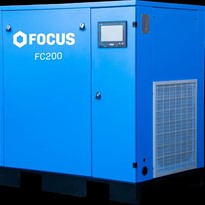
Rotary screw air compressors rely on internal cooling fans that pull in air from their surroundings to cool the machine during operation. As the surrounding air heats up, the gap between that external air and the machine’s hot interior shrinks. The result is higher running temperatures and a greater chance of overheating.
Hotter Air Means Less Air Delivered
Most compressors, including ours, are rated for an optimal ambient temperature of 25°C. As temperatures rise above that, effective compressed air output drops. This can leave some air tools or machines without enough air to operate during peak heat.
This is why many operations require (and we often advise) indoor air compressors. Workshop interiors stay cooler out of the sun, and larger operations often have air conditioning to keep workers cool.
What you can do in your operation to manage this:
Make sure you have headroom. Use a compressor with more capacity than you need day-to-day.
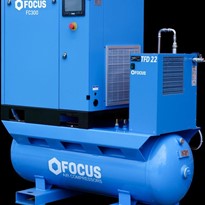
Install a receiver tank if you don’t have one. That extra storage helps cover peak demand when the compressor can’t keep up.
Plan heavier air use for the morning. If your operation allows it, front-load your heavier machine into the cooler part of the day.
Airflow and Ventilation
Compressing air creates heat, which the machine naturally releases into its surroundings. In small rooms or spaces with minimal ventilation, that hot air can be sucked back in as the machine tries to cool itself. To avoid this, we recommend clearing the space around the unit, adding ducting or exhaust fans if you don’t have any, and making sure vents are not blocked.
Humidity and Moisture
Warmer air holds more moisture, and in many parts of Australia, summer brings higher humidity too. This puts extra strain on dryers and drains. Watch for water in your air lines, drains working overtime, or dryers giving alerts.
Part of the Focus approach is oversizing dryers compared to the typically recommended sizes. Over 50 years of supporting industrial businesses across Australia, we’ve learned that our conditions are unique, and the one-size-fits-all compressor and dryer pairing doesn’t meet the complex needs of our environment.
Oil Breaks Down Faster in the Heat
Higher temperatures speed up oil oxidation. As the oil breaks down, it thickens and leaves sludge behind, which means less protection for your machine and more wear on its parts. In the hotter months, your oil may need changing sooner than the hours count suggests.
If you’re not sure about your oil’s health, consider a pre-summer check rather than waiting for your machine’s operating hours to hit the service mark.
Get Heat Ready: Our Air Compressor Checklist
Clear the space around your compressor and make sure vents aren't blocked
Check your ducting and exhaust fans are working, or add them if you have none
Draw intake air from a cool, shaded spot rather than a hot roof space or sunny wall
Keep compressors and housings out of direct afternoon sun
Clean intake filters and coolers
Check for air leaks and fix them early
Test your drains and check your dryer for alerts
Drain water from your receiver tank regularly
Check your oil condition
Make sure your compressor has enough headroom for peak summer demand
Consider a receiver tank if you don't have one
Plan heavy air use for the cooler morning hours
Keep spare filters and oil on hand
Book your pre-summer service

-160x160-state_article-rel-cat.png)
-160x160-state_article-rel-cat.png)
-160x160-state_article-rel-cat.png)